


A Shared Vision of Human Flourishing
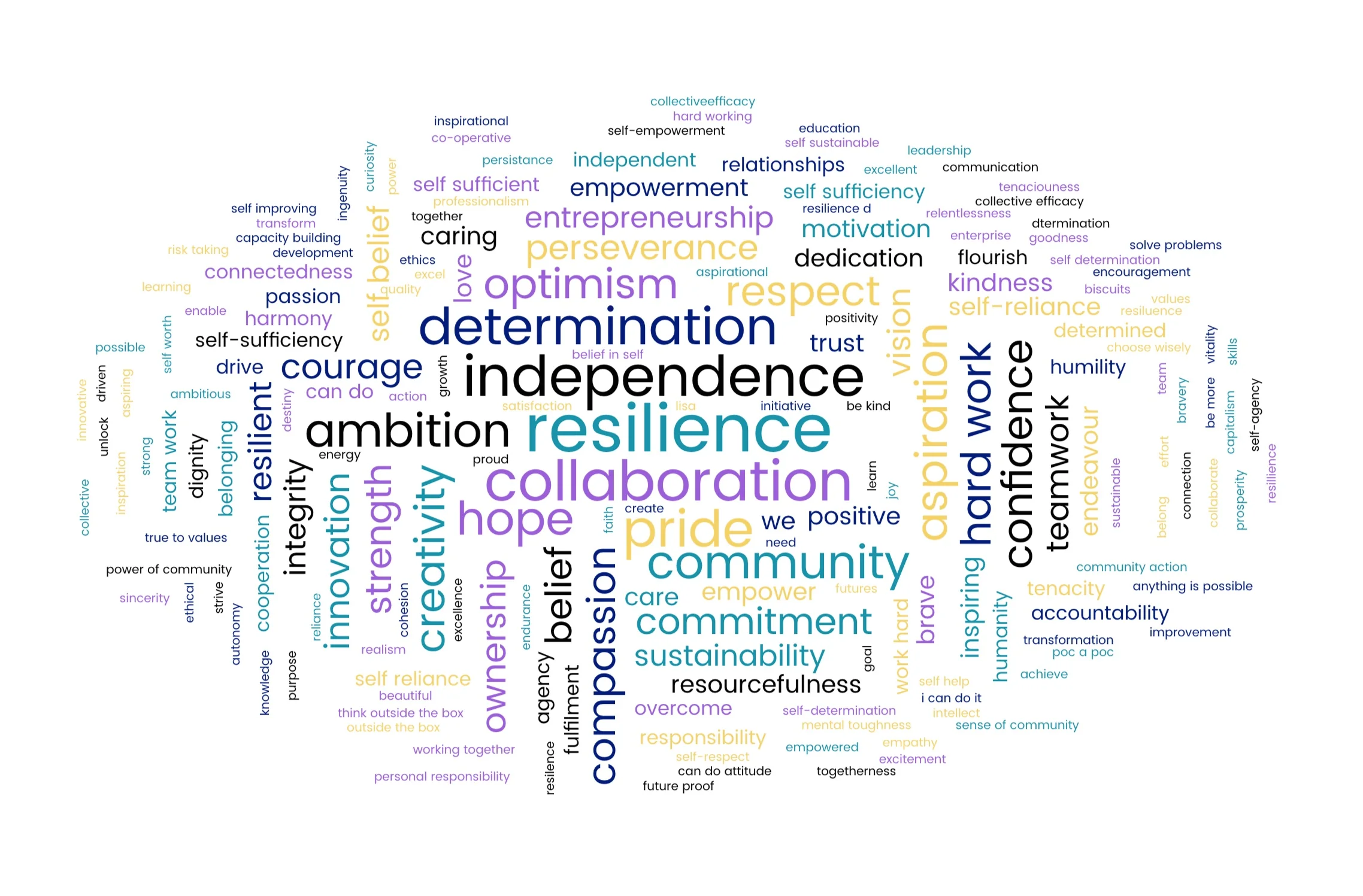
The Church of England’s vision for education speaks of enabling people to live life in all its fullness. This includes developing wisdom, nurturing hope, building strong communities, and recognising the dignity of every individual.
Within a Christian framework, this understanding of dignity is rooted in the belief that every person is made in God’s image. In the classroom, this becomes something that is encountered and explored each week. Pupils need opportunities to explore a wide range of experiences and meet others with curiosity and compassion, to reflect on what matters, and to consider how their own thinking is changing in the light of these experiences.
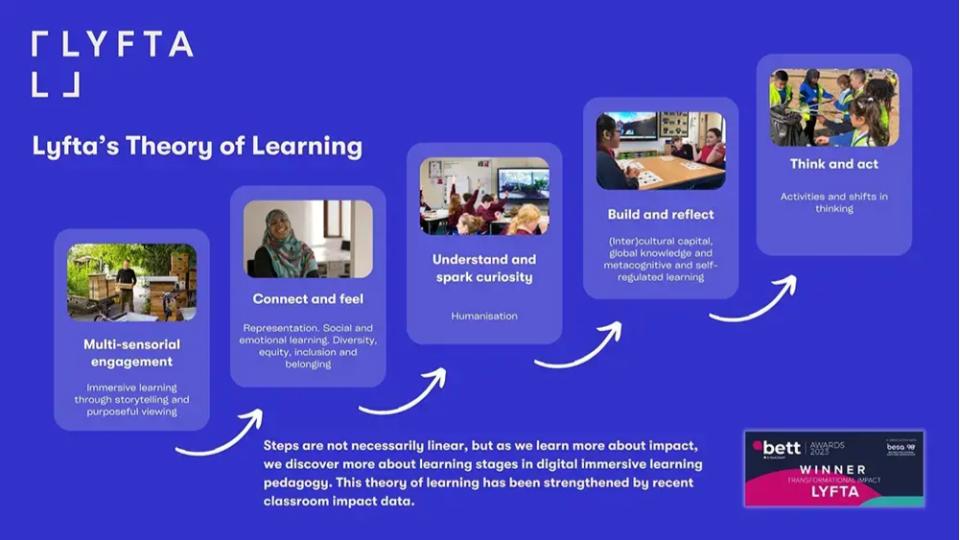
Through Lyfta’s immersive storyworlds, pupils engage with real people and real contexts each week. They are invited to notice, to question, and to reflect upon people, places and perspectives every session. Over time, this supports a deepening awareness of both shared humanity and individual difference, helping pupils to see others, and themselves, with greater dignity and understanding.
Bringing Christian Values to Life
Values such as dignity, compassion, justice, and respect sit at the heart of CofE schools. Their meaning becomes clearer when pupils encounter them within real human lives.
During Lyfta sessions, pupils meet individuals whose experiences raise questions about fairness, belonging, resilience, and care. These encounters often open up space for thoughtful dialogue, where values begin to take shape through lived experience.
Within this, the idea of being made in God’s image might be explored in a grounded and meaningful way if the teacher chooses to move discussions in this direction. As pupils listen to and reflect on the lives of others, they begin to recognise the inherent worth in each person’s story. This can shape how they speak, how they listen, and how they relate to those around them.
Teachers often notice that pupils begin to use language around values more confidently. Connections are made between what they have seen and the values their school holds. The school’s vision becomes something pupils can recognise, articulate, and live out in their interactions.
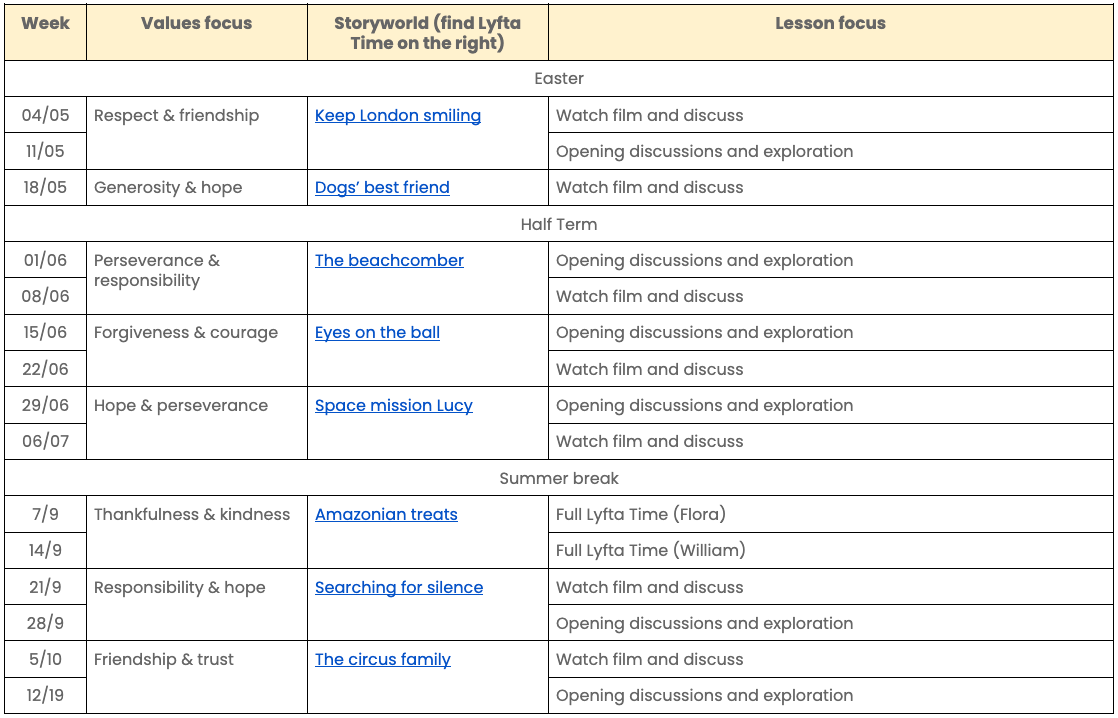
A typical way that CofE schools introduce Lyfta into their curriculum is through their collective worship planning. Lyfta links stories to the values and themes planned which are then initially explored through 20-30 minute weekly sessions. An example of this is shown below.
Creating Space for Spiritual Development
Spiritual development is a distinctive though sometimes elusive aspect of school life. It can appear in a sense of wonder, a thoughtful question, or a shift in how a pupil sees the world.
Lyfta supports this by slowing the pace of learning and inviting reflection. Storyworlds create a sense of wonder at the world around us, with pupils being given space to look and listen carefully, before devising questions and holding discussions about different cultures and ways of living.
Reflection questions then encourage them to consider what has stayed with them and why.
You might hear pupils asking:
- What surprised me here?
- Why does this matter?
- Has this changed how I think?
These discussions allow for discussions about our world and life with meaningful stimuli that encourage reflection and courageous advocacy.
Building Community, Belonging, and Respect
CofE schools place strong emphasis on community, on living well together, and on ensuring that every person is treated with dignity.
Lyfta powerfully widens the range of voices and experiences pupils encounter. Through these stories, children begin to see both differences and shared humanity more clearly. They practise listening, responding, and holding multiple perspectives.
Over time, this can influence the culture of the classroom. Discussions become more thoughtful. Pupils show greater care in how they speak about others. A stronger sense of belonging begins to emerge.
Encouraging Courageous Advocacy
Many CofE schools are working to develop courageous advocacy, helping pupils engage with issues of justice and responsibility.
By grounding learning in real lives, Lyfta can support pupils to move beyond surface-level awareness. They begin to ask deeper questions about fairness, about responsibility, and about what it means to take action.
These conversations can lead naturally into wider learning, whether in RE, PSHE, or citizenship, and can support pupils in developing a sense of agency rooted in understanding.
Supporting SIAMS Through Everyday Practice
SIAMS invites schools to reflect on how their Christian vision is lived out across all aspects of school life. It looks closely at relationships, curriculum, spiritual development, and the experiences of pupils and adults.
Lyfta supports this in ways that are often already visible in classrooms.
Vision and Leadership
The school’s vision becomes tangible when pupils engage with themes such as dignity, hope, and justice through real human stories. Teachers can draw clear links between these experiences and the values the school promotes.
Wisdom, Knowledge and Skills
Pupils develop more than knowledge. They learn to reflect, to question, and to consider different perspectives. They begin to understand how their thinking evolves over time.
Character Development and Advocacy
Through encounters with real lives, pupils explore resilience, empathy, and responsibility. They begin to think about how they might respond to the challenges they see.
Community and Dignity
Classroom dialogue becomes a place where respect and belonging are practised. Pupils learn to listen carefully and to engage thoughtfully with difference.
Spiritual Development
Moments of reflection, wonder, and questioning arise naturally through immersive storytelling and guided reflection.
Collective Worship and Reflection
Storyworlds can offer meaningful starting points for themes explored in collective worship, helping connect values to lived experience.
Making Impact Visible
One of the strengths of Lyfta is how it supports schools in evidencing their impact.
This may be seen in:
- The depth of pupil voice and reflection
- The quality of classroom dialogue
- Changes in how pupils relate to one another
- Clear links between curriculum and school vision
Gathering these moments over time can help schools tell a rich and authentic story about how their vision is shaping daily life.
A Natural Fit Within CofE Education
For many schools, the most powerful realisation is that Lyfta does not sit separately from their core work.
It becomes part of how pupils encounter the world, how they reflect, and how they grow. It supports the ongoing work of nurturing wisdom, compassion, and a sense of shared humanity.
Within a Church school context, this aligns closely with the wider calling to help every child and adult flourish, within a community shaped by dignity, hope, and care.


